
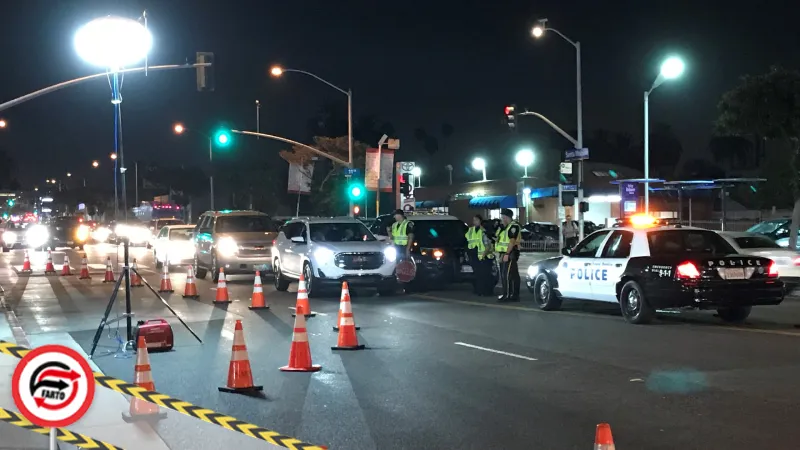
The checkpoint law must respect the rights of citizens on the one hand and public security on the other. According to Iranian law, stopping and stopping vehicles by the police is only permitted if they have a judicial permit or are part of specific security plans. Officers must wear uniforms, identification cards, and be treated with respect, and vehicle inspections are only possible in cases of strong suspicion of a crime or emergency situations without a warrant. The use of standard traffic equipment is also a condition for the legality of a checkpoint. Therefore, the manufacturer of traffic equipment is obliged to offer products that comply with various standards.
Index of demands
Definition of the checkpoint law and its permissible conditions
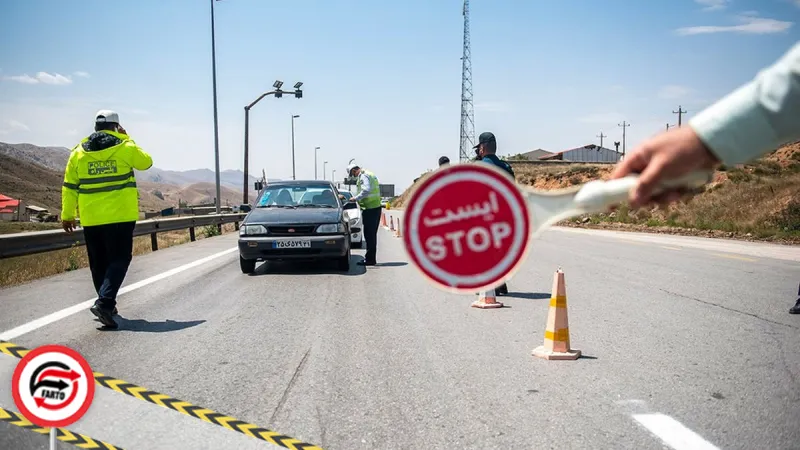
The checkpoint law is defined in the laws of the Islamic Republic of Iran as a preventive measure by authorities such as the police. According to the checkpoint laws, any stopping of vehicles and checking of people or vehicles must be carried out based on legal permits, specific criteria, and within the framework of regulations. This action should not be taken arbitrarily or without a legitimate legal reason. The permitted conditions for stopping and checking usually include the following:
- Crime detection
- There is a strong suspicion that a crime has been committed.
- Due to special security plans such as holidays, religious ceremonies
- Exceptional security conditions
Legal validity of police checkpoints
According to the law, checkpoints must be established either by order of a judicial authority or in the form of specific security and discipline plans issued by command headquarters. Officers are required to wear official uniforms and carry valid identification cards when stopping vehicles, and their behavior must be respectful and in accordance with the principles of civil rights. In addition to these legal requirements, the presence of standard and legible traffic equipment also plays an important role in the legality and credibility of a checkpoint.
The Importance of Inspection in the Criminal Procedure Code
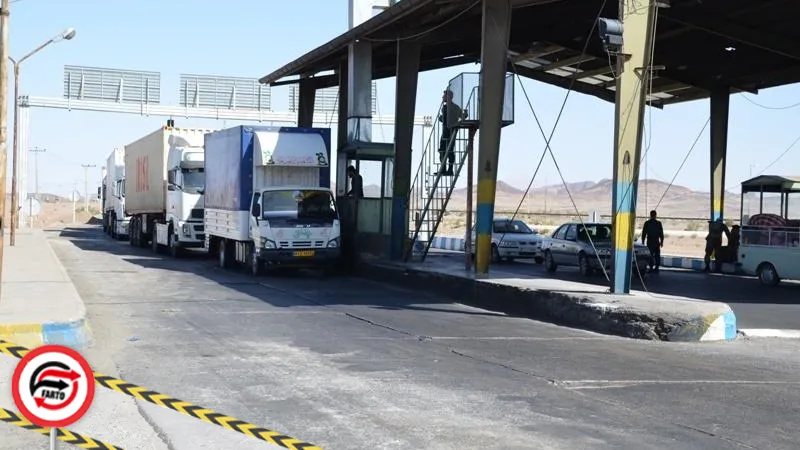
The Criminal Procedure Code, as the main authority for determining how to handle crimes and the rights of the accused, has established specific principles for the inspection of vehicles and individuals. According to this law, any inspection must be carried out within the framework of approved laws, by order of a judicial authority or in special circumstances foreseen by law. In simple terms, the Checkpoint Law does not allow officers to inspect vehicles or personal belongings of individuals without a permit or valid reason.
According to Article 137 of the Criminal Procedure Code, searches and inspections are only permitted if there are sufficient grounds to suspect a crime, and this action must be carried out in accordance with Islamic and legal principles and in order to protect the dignity of individuals. In cases where delay in the inspection would result in the disappearance of evidence of the crime, inspections without a judicial warrant are also possible in urgent cases, but in any case, the officer is obliged to report the matter to the judicial authority as soon as possible.
Inspection of vehicles at checkpoints
Searches of vehicles at checkpoints are only permitted under legal circumstances. According to the Checkpoints Act and the Criminal Procedure Code, law enforcement officers are only permitted to search the interior of a vehicle, such as the trunk or dashboard, without a warrant, in emergencies or when there is strong suspicion of a crime. Any action outside this framework can be considered a violation of privacy and may result in legal consequences for the officer concerned.
Important points about stops and inspections
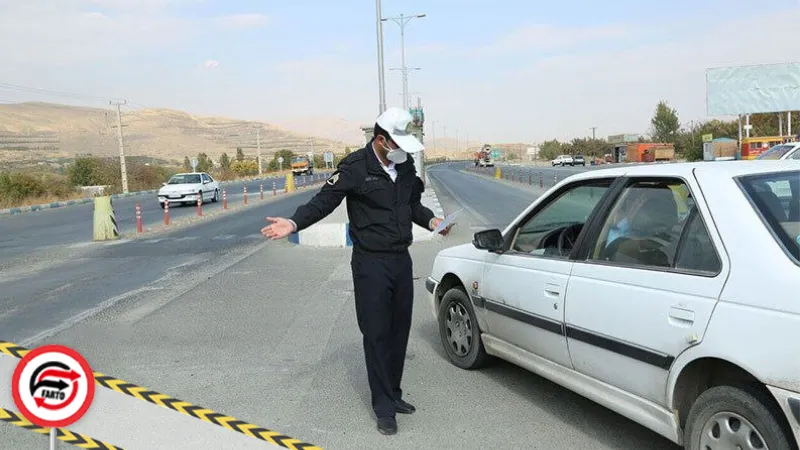
The first important point in the checkpoint law is the presence of officers in uniform, with identification cards, and the observance of courtesy and respect in dealing with people. From a legal perspective, stops and inspections should not be carried out arbitrarily and without legal justification; rather, they should be carried out within a specific framework and with public information.
Another point is the use of standard traffic equipment. The presence of visible signs, safe barriers, warning signs, and warning lights not only increases the safety of the checkpoint, but also increases its legal validity. Failure to use this equipment can make the checkpoint appear illegal and even cause drivers to not cooperate.
Also, checkpoints should be designed in a way that causes minimal disruption to traffic flow while providing suitable conditions for effective vehicle control. In this regard, the role of traffic equipment manufacturers is very prominent, as products with appropriate design, high night visibility, resistance to weather conditions, and quick installation can help increase the effectiveness of checkpoints.
The importance of establishing checkpoints on public roads
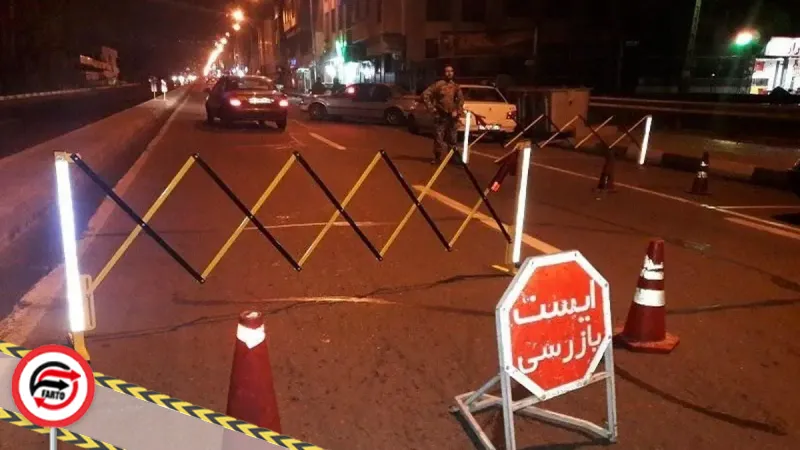
Stopping and checking public roads is one of the most effective ways to maintain social security and control crime. Proper and legal implementation of these stations allows for the identification of criminals, the discovery of drugs, illegal weapons, stolen goods, and even the prevention of crime before it occurs. The presence of law enforcement forces at sensitive traffic points, along with standard safety equipment, creates a sense of security and peace of mind for the general public.
On the other hand, the presence of checkpoints on roads, exits of cities and high-risk areas allows for targeted control of suspicious vehicle traffic. These measures are carried out within the framework of the checkpoint law and reduce the traffic of criminal vehicles on public roads.
Stop and inspection equipment and signs
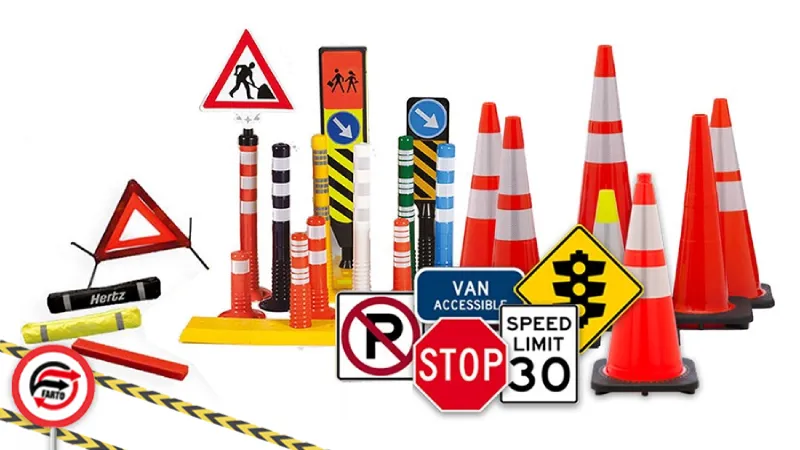
One of the most important elements of a successful and legal checkpoint operation is the use of standard, durable, and highly legible traffic equipment and signs. These tools play a key role in guiding vehicles, creating order at the checkpoint, and increasing the safety factor for officers and drivers. For manufacturers active in the field of traffic equipment, familiarity with these items and the standards associated with them is essential.
- Checkpoint sign (with clear, reflective writing)
- Traffic cones (candy cones) to guide the route
- Portable physical barriers or lightweight concrete blocks
- Traffic control gate or barrier (RMS or arm)
- Rotating and flashing warning light
- Colored nightgowns and safety vests for officers
- Portable spotlight for nighttime inspection
- Loudspeaker or audio warning system for stop command
- CCTV or handheld camera to record events
- Preventive and warning signs at an appropriate distance before the stop.
Conclusion
Legal validity, the need for a permit or justifiable reasons, the proper conduct of officers, and the implementation of the principles of criminal procedure are among the most important aspects included in the checkpoint law. In addition to legal aspects, the use of standard traffic equipment at checkpoints plays a very important role in gaining public trust, increasing the safety of officers and drivers, and preventing accidents. Equipment that is legible, durable, portable, and compliant with legal guidelines can both improve the performance of checkpoints and strengthen their legal legitimacy.
Frequently Asked Questions
Are police officers allowed to open the trunk or dashboard of a car at a checkpoint?
According to current laws and criminal procedure, law enforcement officers are only allowed to open these compartments when they have reasonable cause and strong suspicion of the presence of prohibited goods or the commission of a crime. Otherwise, opening the trunk or dashboard without the owner’s permission or a court order is considered a violation and may result in legal consequences for the officers.
What are the consequences if we do not cooperate with the checkpoint?
Failure to cooperate with officers at a checkpoint can have serious legal consequences, depending on the severity and type of behavior. According to the Checkpoint Law and the Criminal Procedure Code, failure to stop at a checkpoint, fleeing a checkpoint, or failing to provide identification may result in a fine, impoundment of the vehicle, and even temporary detention.

1 thought on “Review all checkpoint rules”
Hi, this is a comment.
To get started with moderating, editing, and deleting comments, please visit the Comments screen in the dashboard.
Commenter avatars come from Gravatar.