What is a stop line and why is it one of the most important traffic signs on the road? A stop line is a wide white or red stripe on the asphalt and is a point that requires drivers to come to a complete stop in places such as: behind a red light, behind a crosswalk, or at the entrance to a busy intersection with traffic signs . The precise placement of a stop line not only maintains traffic order, but also plays a vital role in preventing accidents and maintaining the safety of pedestrians and drivers. Knowing the types of stop lines helps drivers make the right and safe decisions in any traffic situation.
Index of demands
Where is the stop line located?
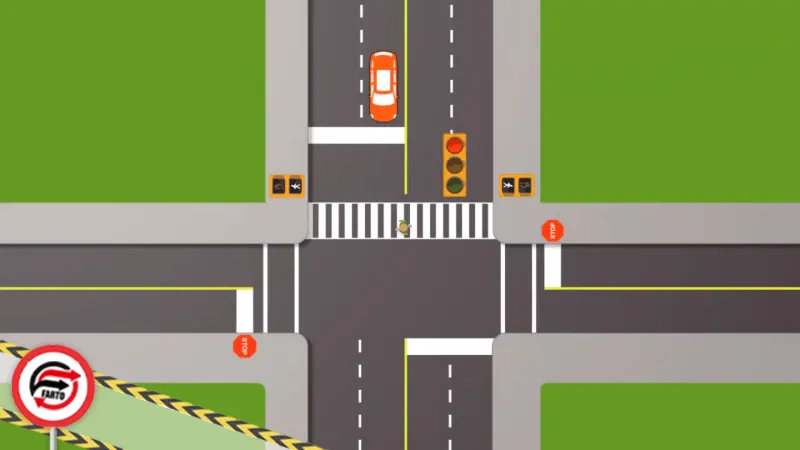
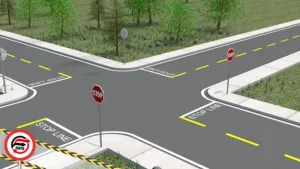
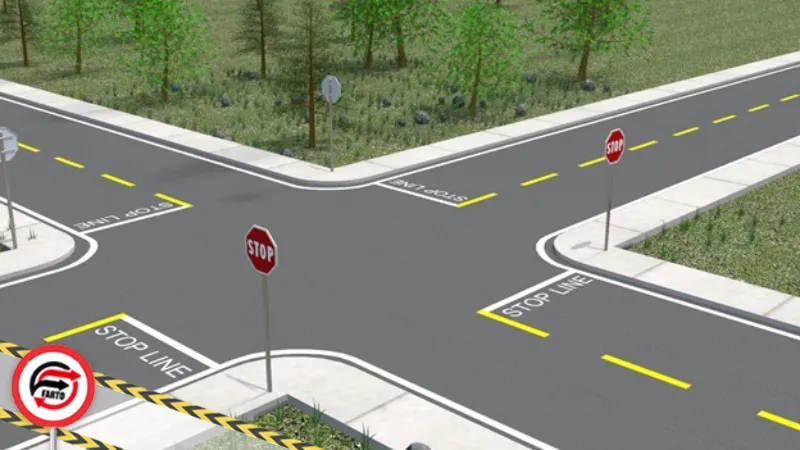
A stop line is one of the most important traffic markings on urban and roadways, which is drawn in specific locations to regulate vehicle traffic and increase safety. This line is drawn as a wide white or red stripe on the asphalt, and drivers must stop completely behind it when they see it. The locations where the stop line is placed are usually accompanied by signs such as stop signs or traffic lights.
- Before intersections: to regulate vehicle movement and prevent collisions
- Before the pedestrian crossing: To ensure the safety of pedestrians when crossing the street.
- At the exit of parking lots or squares: to require stopping and respect the right of way
How many types of stop lines are there?
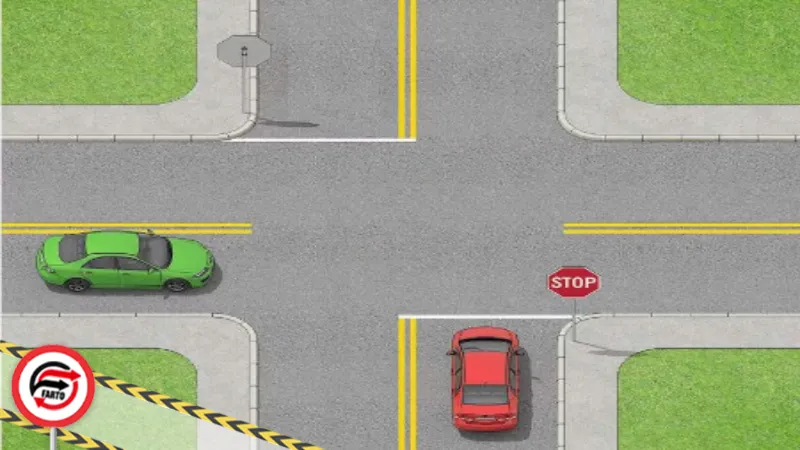
Stop lines are divided into several different types depending on the type of roadway, site use, and traffic requirements. This variety helps traffic managers control driver behavior and ensure traffic safety by using various types of traffic lines .
- Continuous stop line: This type of line is drawn as a wide white strip on the asphalt surface. This type of line is most commonly used in places with stop traffic signs or near traffic lights.
- Intermittent stop line: In certain situations where a complete stop is not required, but the driver is warned. This type of line is used on side roads or in places with sufficient visibility.
- Double stop line (two parallel lines): At high-priority or high-traffic intersections, two parallel stop lines may be drawn to place greater emphasis on stopping vehicles.
- Temporary stop line (yellow): During construction projects, road repair sites, or emergencies, a yellow stop line is sometimes used temporarily. This line is usually marked by traffic officers or accompanied by warning signs.
Stop line before the pedestrian crossing
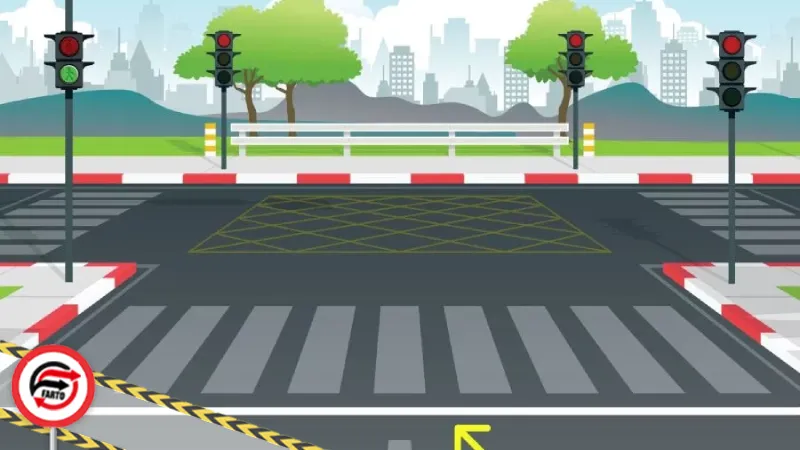
According to traffic regulations, drivers must come to a complete stop behind the stop line when approaching a pedestrian crossing if a pedestrian is about to cross. This is especially important in urban areas, in front of schools, hospitals and public transport stations.
Important points about the stop line before a pedestrian crossing:
- The standard distance from the stop line to the crosswalk is usually between 1 and 3 meters to maintain the driver’s view of the pedestrian.
- Stopping at a stop line or crosswalk is not only a violation, but it can also endanger pedestrians.
- In some places, especially at night, the stop line is marked with reflective paint or fluorescent material for better visibility.
Stop line before the entrance to intersections
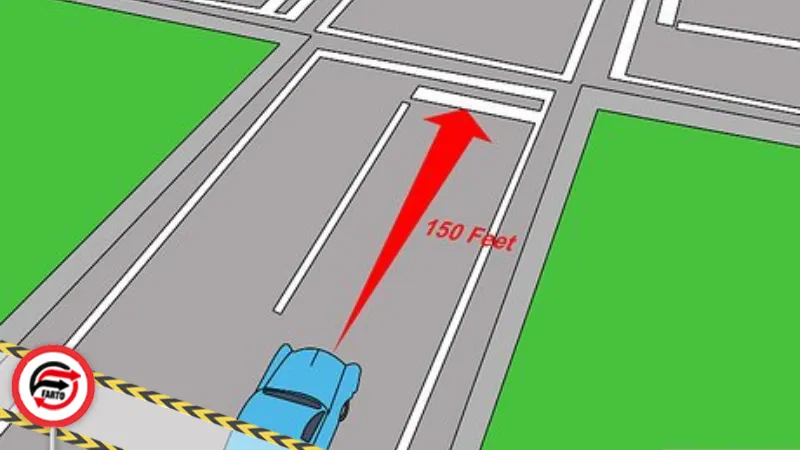
At intersections, especially at intersections without traffic lights or intersections with high traffic volumes, a stop line is essential. This line marks the limit of stopping vehicles so that drivers can ensure that the path is safe before entering the intersection. In many cases, stop signs or signs (You Do Not Have the Right of Way) are also installed next to the stop line to warn drivers that they should proceed with caution when entering the intersection.
Conclusion
Observing the stop line, beyond a legal requirement, is part of the correct driving culture and respect for the rights of others on the road. This simple but vital line creates a boundary between safety and danger and, by stopping the driver in time, provides the opportunity for pedestrians to safely cross and for cars to move in an orderly manner. Being aware of the types of stop lines and adhering to them not only prevents fines and traffic violations, but also makes a great contribution to reducing accidents and creating a safer and more orderly city.
Frequently Asked Questions
What is the difference between a crosswalk and a stop line?
A stop line is a wide white stripe drawn before an intersection or crossing, and drivers are required to come to a complete stop when they see it and move on when it is safe to do so. In contrast, a crosswalk is a set of narrow, parallel white lines that mark the path for pedestrians to cross.
What is the penalty for crossing or not stopping behind a stop line?
Crossing a stop line or failing to stop behind it is considered a violation and, according to traffic laws, will result in a fine and a negative score for the driver. The exact amount of the fine varies depending on the type of crossing, city or road, and traffic conditions.