Traffic is one of the fundamental challenges in modern urban life, which is caused by various reasons, including the increase in the number of cars, poor public transportation infrastructure, lack of appropriate traffic culture, and inefficiency of management systems. When the capacity of roads is not in line with the high volume of traffic, traffic disruptions occur, and these disruptions have consequences such as air pollution, waste of time, and an increase in accidents. In addition to reforming the urban structure and raising public awareness, purchasing standard traffic signs and using these equipment systematically by responsible institutions can play an important role in organizing traffic and reducing traffic load.
What are the factors that contribute to and increase traffic?
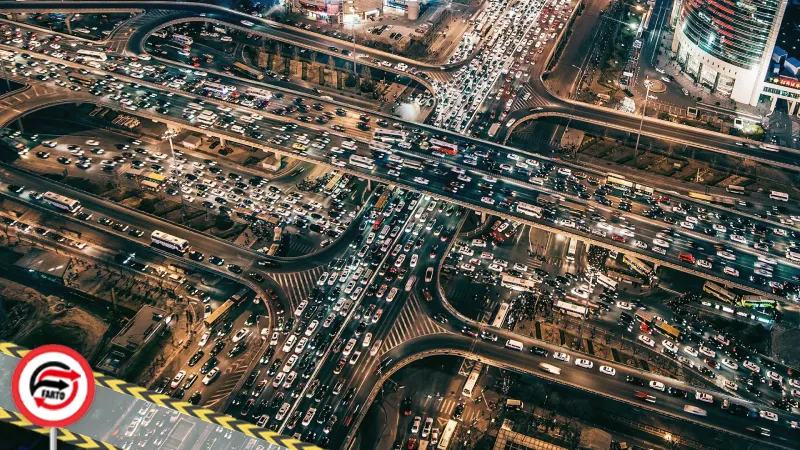
Traffic is the result of an imbalance between the capacity of streets and their use. In fact, when the number of vehicles exceeds the carrying capacity of the roads, a disruption in the smooth flow of traffic occurs. But what creates this situation is not only the increase in cars; rather, a set of infrastructural, managerial, cultural and economic factors together cause the formation and intensification of traffic.
- Lack of intra-city highway networks
- Lack or shortage of public transportation network
- Cheap gasoline
- Traffic is not smart.
Lack of intra-city highway networks
Unfortunately, in some cities, highways are poorly designed or traffic rings are not fully implemented. In such cases, the traffic load is concentrated on only a few main routes, which leads to the formation of traffic nodes during peak hours. For example, if a city has only one east-west connection, any accident, stoppage, or even an increase in traffic volume can paralyze that part of the city.
Lack or shortage of public transportation network
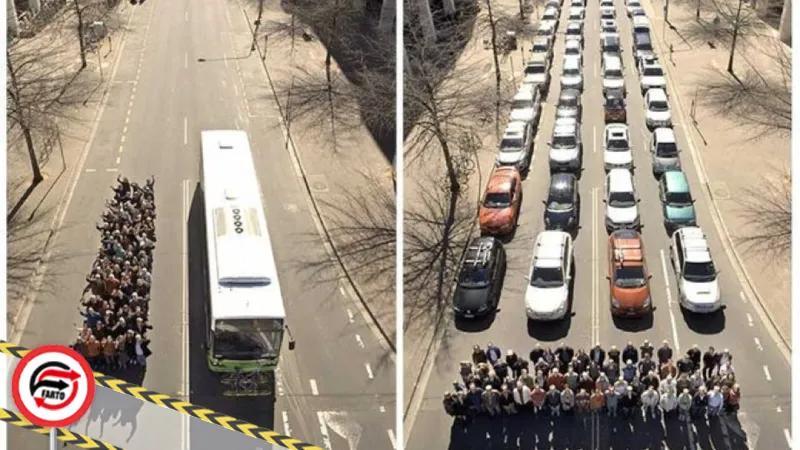
In many cities, public transportation is neither sufficient in terms of spatial and temporal coverage, nor can it compete with private cars in terms of quality and speed. This forces many people to use private vehicles, which multiplies traffic pressure. The result of this situation is the excessive increase in single-seater cars in the city; cars that, in addition to occupying space, have high fuel consumption and play a significant role in pollution and traffic accidents.
Cheap gasoline
In many countries, economic policies, including real fuel pricing, automatically push people towards public transport, carpooling, or even cycling and walking. Cheap fuel also means that old, fuel-intensive cars continue to circulate in cities, contributing to traffic congestion, air pollution, and road accidents. This puts additional pressure on urban infrastructure.
Traffic is not smart
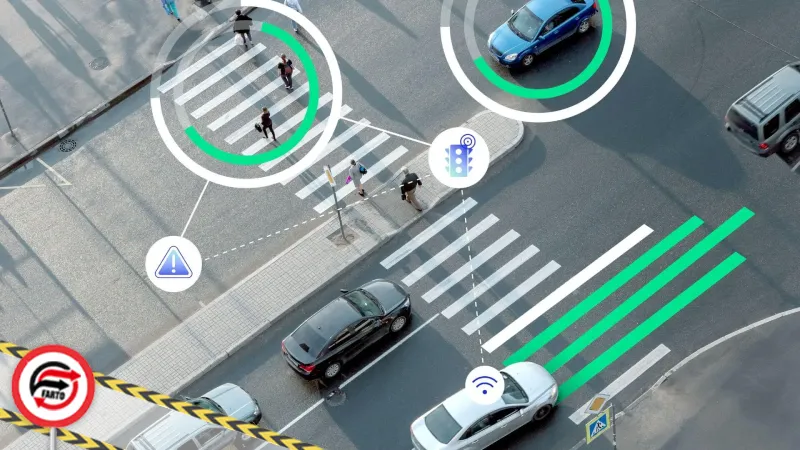
Unintelligent traffic refers to the inadequate or incorrect use of technologies that can optimally regulate the flow of vehicles and prevent traffic jams. In many cities, traffic lights operate on a fixed schedule and no changes are made based on actual traffic conditions.
What are the solutions to reduce and manage traffic?
To address the widespread problems of urban traffic, it is necessary to implement a set of simultaneous and coordinated measures across different sectors. Traffic cannot be expected to be controlled sustainably by modifying infrastructure alone; there is a need for culture building, coherent laws, the use of appropriate technology and equipment, and careful management of resources and spaces.
- Traffic culture training
- Street parking control and planning for optimal use of parking lots
- Improving the condition of intersections and installing traffic signs
- Steps related to the construction of sidewalks
- Measures related to bus right of way
- Establishing cycling rules
- Establishing rules for trucks
- Traffic calming
- Coordination between traffic lights
- Making streets one-way
- Street markings and colored asphalt
Traffic culture education (best traffic solution)
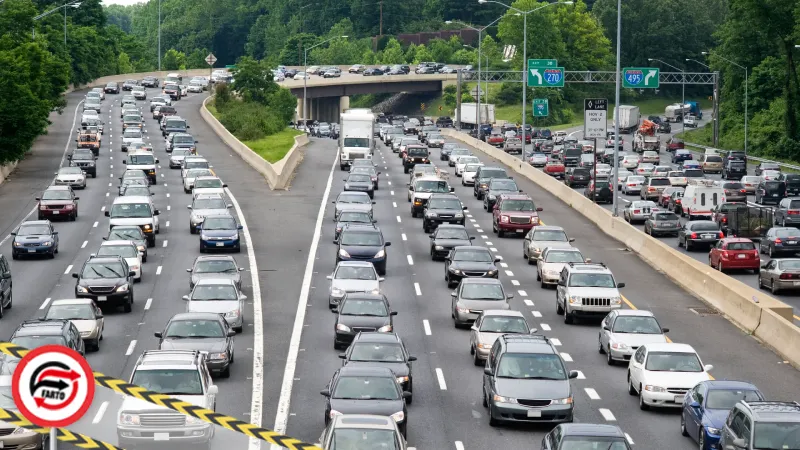
One of the most effective and fundamental solutions to urban traffic control is to educate and promote traffic culture among citizens. When people are familiar with the principles of safe driving, compliance with laws, respect for the rights of others, and the importance of cooperation on the road, many traffic problems will automatically decrease.
Street parking control and planning for optimal use of parking lots
One of the major factors contributing to the increase in traffic and the creation of traffic jams in cities is illegal parking and improper use of parking spaces. When cars are parked in an irregular and unmanaged manner on the streets, the passageways are reduced, causing traffic jams and potential accidents. Clear and strict rules should also be established and enforced to prevent parking on main traffic routes.
Improving the condition of intersections and installing traffic signs
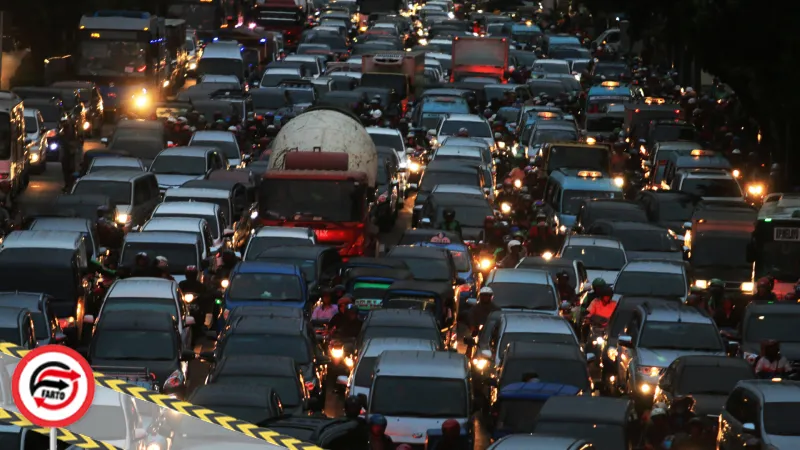
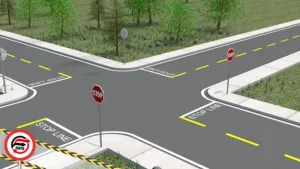
Geometric improvements to intersections, including widening, creating turn lanes, installing smart traffic lights, and improving driver visibility, can help to smooth traffic flow. Also, installing accurate and clear traffic signs that inform drivers of rules and restrictions plays an important role in reducing driving errors.
Steps related to the construction of sidewalks
Sidewalks should be constructed and improved in a way that facilitates easy access to public transportation, shopping centers, schools, and other important points. Sidewalks should also be equipped with appropriate safety signs and barriers; in this regard, installing pedestrian traffic signs and using safety equipment such as traffic cylinders and sugar canes to prevent unauthorized parking on the sidewalk is of great importance.
Measures related to bus right of way
One great way to reduce traffic congestion and encourage people to use public transportation is to give buses priority on major roads. This will speed up the movement of public transportation and reduce the number of private cars.
Establishing cycling rules
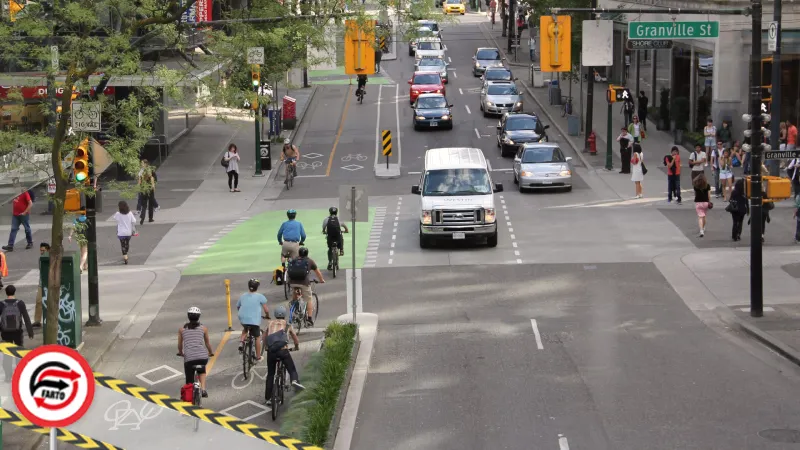
For cycling to be accepted as a safe, practical and reliable mode of transport in cities, there is a need to develop and enforce clear and comprehensive rules. These rules should cover various aspects, such as the designation of dedicated routes, speed limits in residential or busy areas, requirements for the use of helmets and other protective equipment. Urban design should also be such that cycle paths are separated from motorised traffic.
Establishing rules for trucks
Establishing specific rules and regulations regarding traffic hours, permitted routes, and restrictions on the weight and size of trucks can play an important role in traffic control. Implementing these rules will facilitate traffic flow, reduce accidents, and improve safety on urban roads, thereby improving the prevention of traffic accidents and incidents .
Traffic calming
Common methods of calming include installing speed bumps, using physical barriers such as soft dividers, using warning signs, and setting speed limits at sensitive points. These interventions reduce speeding, increase driver alertness, and reduce the likelihood of accidents.
Coordination between traffic lights
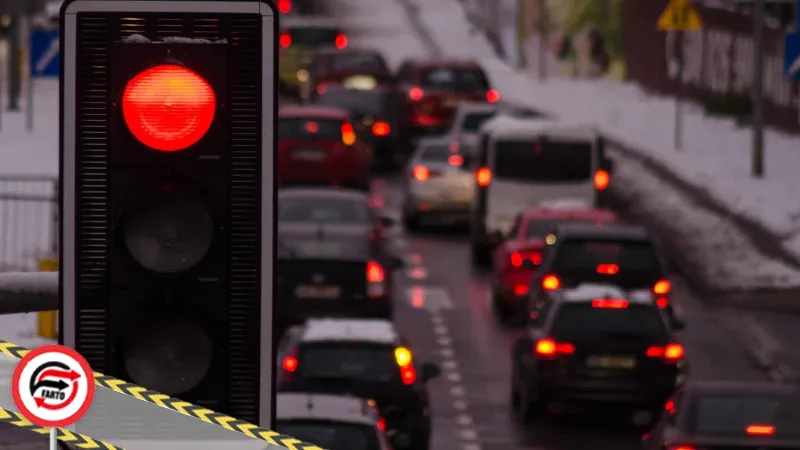
One of the key factors in improving traffic flow is the proper and intelligent coordination of traffic lights. When lights work in harmony, vehicles can travel their routes without unnecessary stops and long delays, which reduces traffic congestion and fuel consumption.
Making streets one-way
One-way streets are an effective way to manage urban traffic, reducing traffic collisions and increasing traffic flow. Installing clear and appropriate traffic signs at the entrance and along one-way streets helps drivers choose the right route.
Street markings and colored asphalt
Proper road markings help drivers stay in the right lanes and prevent roadway overlap. Colored asphalt also plays an important role in reducing driver confusion and increasing awareness by separating different routes, especially at intersections and bicycle and pedestrian paths. These measures, along with the installation of coordinated traffic signs, can improve traffic flow and prevent accidents.
What are the types of traffic?
Below, you will learn about the four main traffic modes, which are categorized based on the smoothness of vehicle movement:
- Smooth traffic: A state in which vehicles move at a reasonable speed without long stops and the traffic flow is well-established.
- Light traffic: A condition where the speed of traffic is reduced, but the flow of vehicles is still continuous. Brief stops and decelerations may occur in this condition.
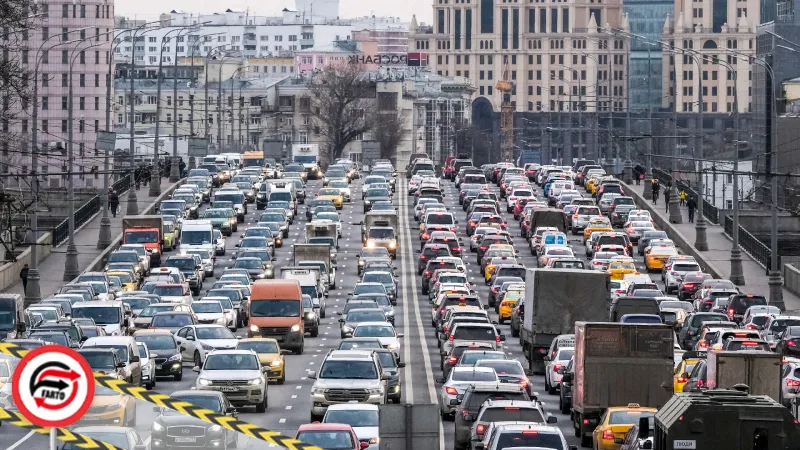
- Heavy traffic: A situation in which vehicles stop frequently and travel at very low speeds.
- Deadlocked traffic: A critical situation where vehicles are almost completely stopped and there is no flow on the road.
What are the traffic problems and dilemmas?
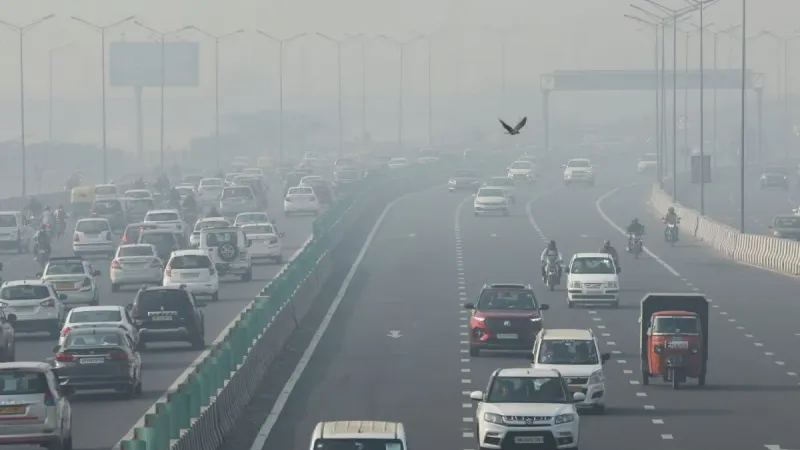
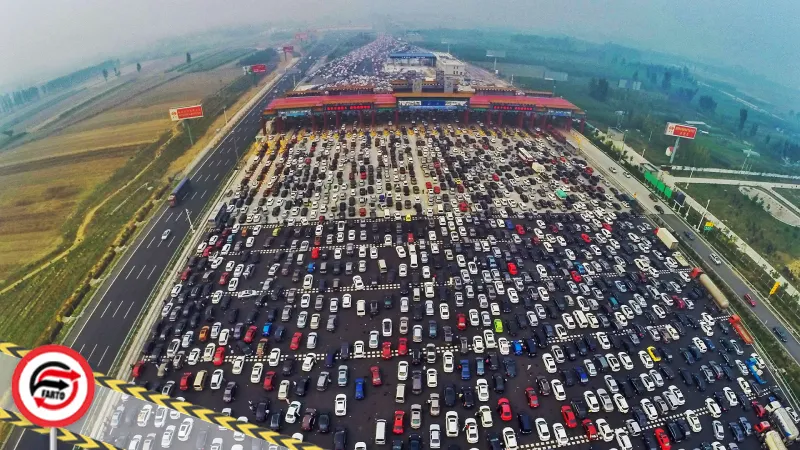
Urban traffic is not just a physical phenomenon, but also has numerous consequences that affect various aspects of individual and social life:
- Increased air pollution: Frequent stops and slow movement of vehicles increase fuel consumption and the production of polluting gases, which has a negative impact on air quality and people’s health.
- Waste of time and reduced productivity: Heavy traffic causes long travel times and reduces work efficiency and urban life.
- Increased risk of accidents: Heavy traffic increases the likelihood of collisions and car accidents, which can lead to injuries and financial losses.
- Increased stress and decreased quality of life: Heavy traffic puts psychological pressure on drivers and citizens and leads to decreased satisfaction and quality of life.
Conclusion
What is traffic? When the capacity of roads is not in line with the high volume of traffic, a disruption in traffic occurs, which is called traffic disruption. This phenomenon has consequences such as air pollution, waste of time, and increased accidents. This issue is caused by several reasons, including the lack of highway networks, poor public transportation, and cultural and economic factors. The use of comprehensive solutions such as traffic culture education, improving infrastructure, controlling parking lots, and utilizing appropriate equipment such as traffic signs, traffic cylinders, and traffic cones can effectively play a role in reducing traffic and preventing accidents and traffic incidents.
Frequently Asked Questions
What is the role of bicycles in improving urban traffic conditions?
Creating dedicated bike lanes and supportive laws will increase bicycle use, which will help reduce air pollution and improve citizens’ health.
How is traffic volume calculated on a route?
Traffic volume is usually measured by counting the number of vehicles passing a point in a given time period. This data is collected using cameras, road sensors, and manual methods to better plan traffic management.
What are the economic consequences of traffic congestion?
Heavy traffic leads to increased fuel consumption, wasted working time, and reduced economic productivity. The costs of accidents, vehicle repairs, and medical services also impose a significant financial burden on society.